
When beginning their medical cannabis journey, many patients wonder: “Should I use Indica, Sativa, or Hybrid?”
Traditionally, cannabis has been grouped into these three categories, but how much do these labels actually matter? Let’s explore what each term means and whether they truly influence your medical cannabis choices.
The Traditional Cannabis Categories
Traditionally, cannabis strains have been categorized into three main groups based on their geographic origins, plant structure, and flower composition.
Indica
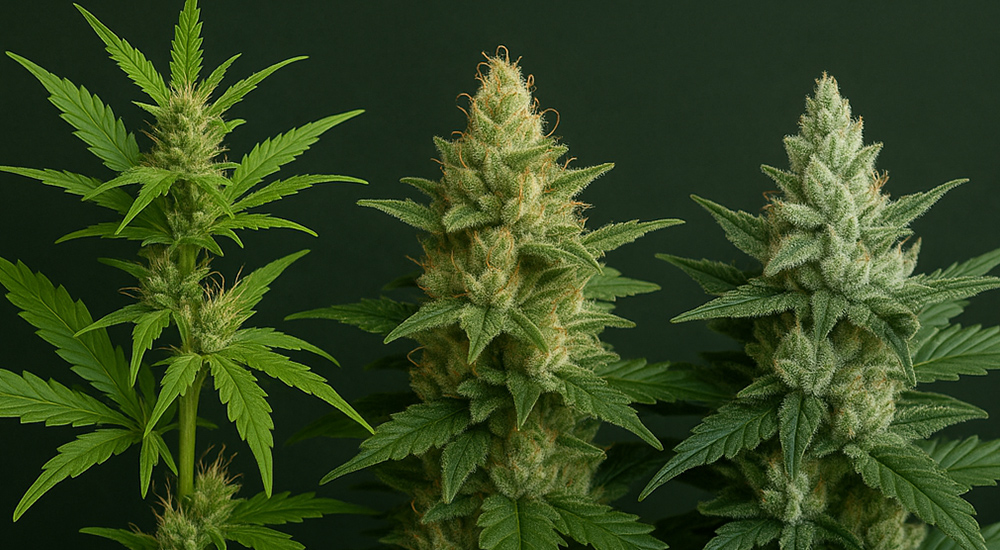
Originally native to India, Afghanistan, Pakistan, and the Hindu Kush mountains. The plants are usually short, stocky, and bushy with wide, broad leaves. Composition typically includes low to mid-range THC levels, high CBD levels, and terpene contents known for their sedating and relaxing effects.
Sativa
Native to parts of western and southeast Asia. The plants are usually tall with thin leaves. Compositions tend to have higher THC levels and lower CBD levels compared to Indica, with terpene content that is known to stimulate and energize.
Hybrid
Honestly, most cannabis plants today are combinations or hybrids of the original Indica and Sativa classifications.
These labels have helped consumers navigate options in the past, but science shows it’s more complex, and consumers need to become careful label readers. Today, the terms Indica, Sativa, and Hybrid refer more to the plant’s physical traits than its actual medical effects. Composition is what determines a particular cannabis strain’s usefulness as medicine. The unique mix of THC, CBD, other cannabinoids (CBN, CBG, etc.), and terpenes is much more telling of medical effects than the categories of Indica, Sativa, and Hybrids. “The Entourage Effect” describes a synergistic combination of cannabinoids, terpenes, and flavonoids that produces medical effects that can be unique to a specific strain or chemovar of cannabis.
Note: Cannabinoids like THC and CBD produce effects based on their receptor sites in the body. The ratio of THC to CBD affects a strain’s medical benefits. Similarly, minor cannabinoids such as CBN (a sleep aid) and CBG (influencing the gut) can determine a strain’s usefulness for specific medical conditions.
By paying attention to THC/CBD ratios, other cannabinoid content, and terpene profiles, we can refine the effects of medical cannabis. CCC’s physicians and dispensary professionals can assist in choosing the right composition for specific symptoms.
So … Do the Terms Indica, Sativa, or Hybrid Matter?
Not as much as we once thought. While these labels can give a general idea of a strain’s potential effects, they’re unreliable predictors. Medical cannabis effects vary significantly among individuals, and the most effective treatment depends on your unique needs, goals, and body chemistry.
How to Discover What Works Best for You
Instead of focusing on whether a product is Indica, Sativa, or Hybrid, think about the symptoms you’re trying to treat. Then, match the THC/CBD levels and terpene profiles of the cannabis strain to your specific symptoms. Working with an experienced medical marijuana provider can help you choose products based on cannabinoid content, terpene profile, and your condition, rather than just the strain label.
Final Thoughts
While “Indica vs. Sativa vs. Hybrid” can still be a starting point, it shouldn’t be the primary factor in choosing a medical cannabis product. Focus on what’s in the plant, not just its name, and you’re more likely to find effective, personalized relief. Educate yourself, read labels, and seek help from experts!